Welcome to Fanlee Solar
What is Commercial and Industrial Energy Storage (CIES)?
Explaination of Commercial and Industrial Energy Storage (CIES) Keyword and Knowledge
a. Energy storage refers to the process of storing energy through a medium or device and releasing it when needed. It relies on flexibility by matching production capacity and energy consumption in time and space through flexible charge and discharge control.
From the perspective of the power system, energy storage can be divided into power generation side/power supply side, grid side, and user side energy storage, among which power supply side and grid side energy storage are also called pre-meter energy storage or large storage.
b. Pre-meter energy storage refers to energy storage that is directly connected to the power grid and has independent power and electricity meters; conversely, it is post-meter energy storage, and user-side energy storage is also called post-meter energy storage. User-side energy storage is divided into industrial and commercial energy storage and household energy storage.
From the perspective of the business model, pre-meter energy storage should have an independent market entity identity, independently participate in market quotation, directly accept dispatch, and independently settle, and can also be called independent energy storage.
Domestic user-side energy storage mainly refers to energy storage systems used in a large number of industrial and commercial customers. Energy storage equipment can be simply understood as a large power bank. Charge when electricity prices are low, and discharge when electricity prices are high for corporate production, earning peak and valley electricity price differences, thereby reducing corporate electricity costs.
c. Peak load regulation is to transfer the excess electricity from areas with low electricity consumption to areas with insufficient electricity. Because electricity cannot be stored on a large scale, it is generally used as much as it is generated. When the power generation in a region remains unchanged, and the electricity here cannot be used up, it is necessary to transfer the excess electricity to areas with insufficient electricity through dispatch, or the common pumped storage.
d.Frequency regulation is because the rated frequency stipulated in my country is 50Hz, but the electrical appliances in production and life are complex and diverse, and the start-up and operation of the machine will affect the frequency of the power grid, which requires frequency regulation to improve the quality of electricity.
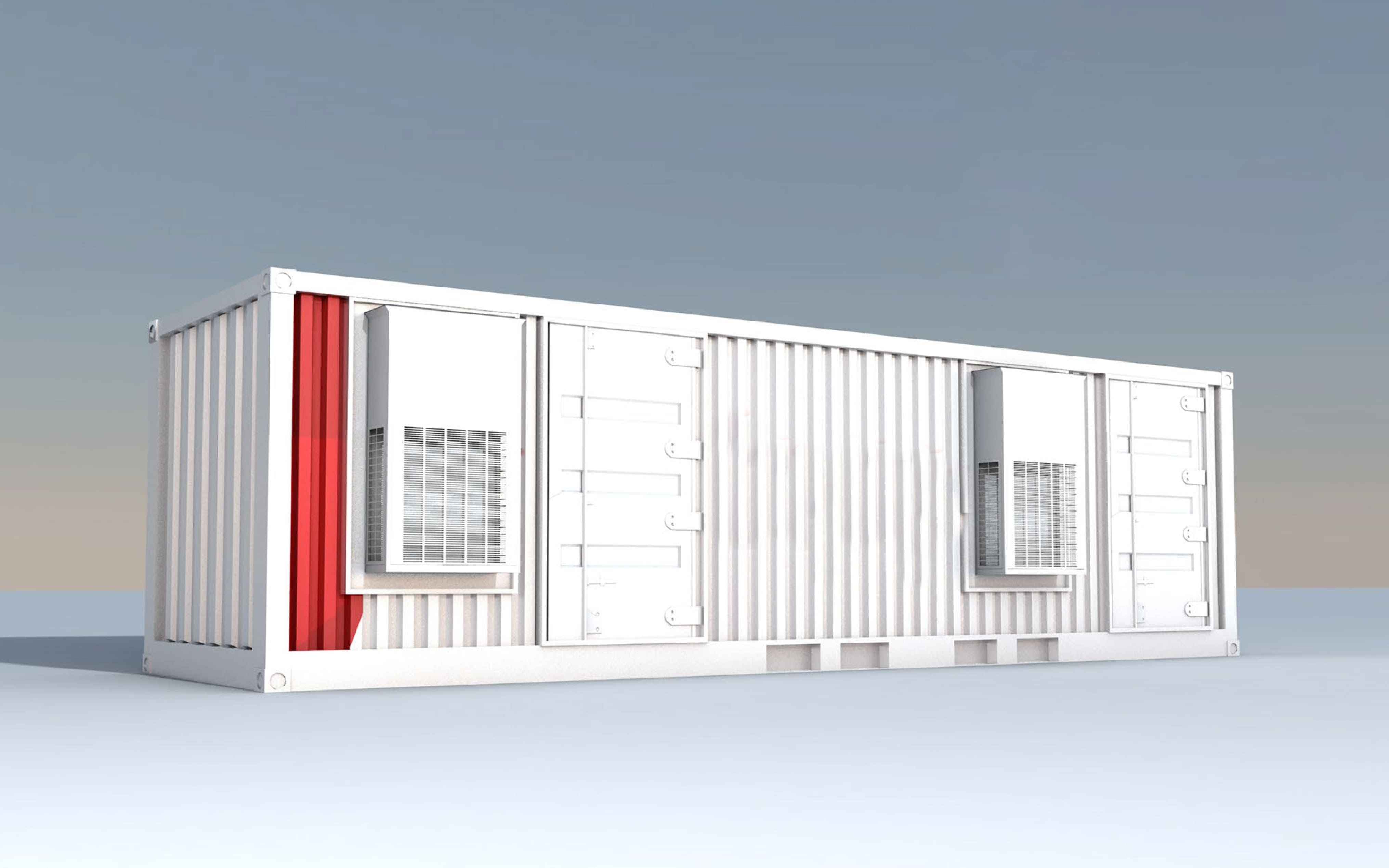
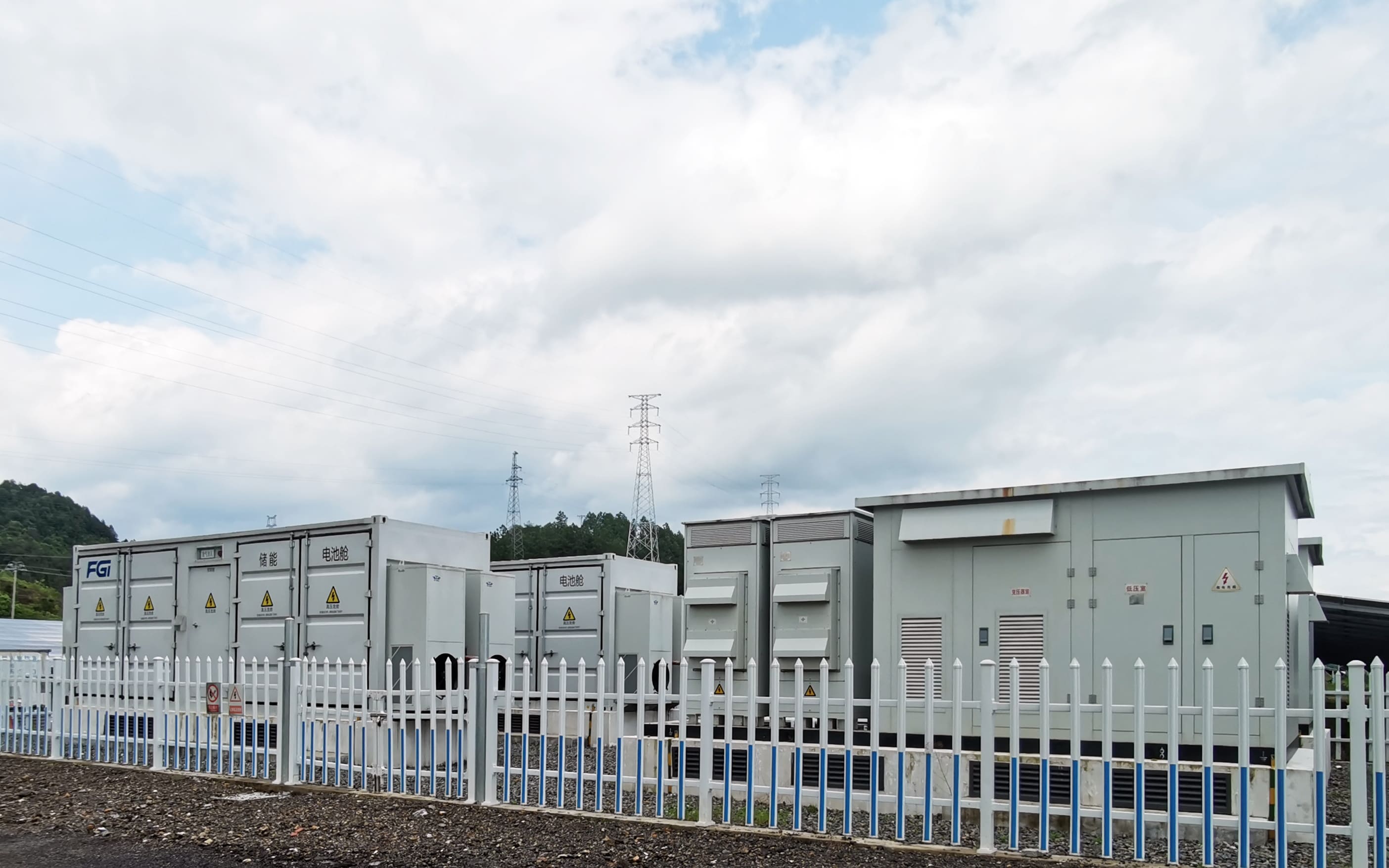
A set of energy storage system mainly includes battery cells PCS、BMS、EMS、 Temperature control and fire protection.
e. PCS (Power Conversion System) is an energy storage converter that converts electrical energy between the power grid and the battery, and monitors and manages the exchange process. It can control the charging and discharging process of the battery, perform AC/DC conversion, and directly supply power to AC loads in the absence of a power grid. PCS consists of DC/AC bidirectional converters, control units, etc.
f. BMS (Battery Management System) is a battery management system mainly used for monitoring, computing, communication, and protection of battery packs. The main components include battery management chip, analog front-end, embedded microprocessor, and embedded software.
g. EMS (Energy Management System) is an energy management system that can achieve real-time monitoring and intelligent management of various devices in the system. Implement overall information-based monitoring and management for data collection, storage, processing, uploading, operation control, and operation strategy formulation.
h. MW "is the unit of PCS, which refers to the power that can be input or output for a given electrochemical energy storage device under certain time conditions. The units are W, kW, MW, and GW, with a conversion ratio of 1:1000.
i. MWh "is a unit of battery capacity, which refers to the amount of electricity released by a battery under certain conditions, and is also an important performance indicator for measuring battery performance. The units are Wh, kWh, MWh, GWh, TWh, with a conversion ratio of 1:1000.
j. DoD (Depth of Discharge) represents the depth of charge and discharge, and is an indicator used to describe the degree of battery capacity utilization during the charging and discharging process of an energy storage system. Indicates the percentage of discharged battery capacity relative to the total battery capacity. The smaller the number, the shallower the discharge. For example, a battery with a capacity of 5 kilowatt hours (kWh) and a maximum allowed discharge capacity of 4 kWh would have a discharge depth of 80%.